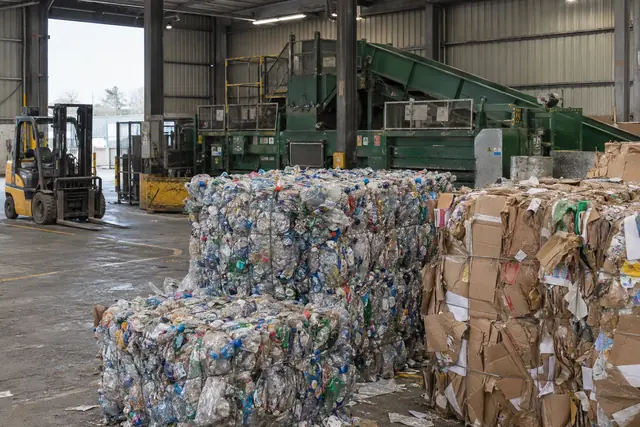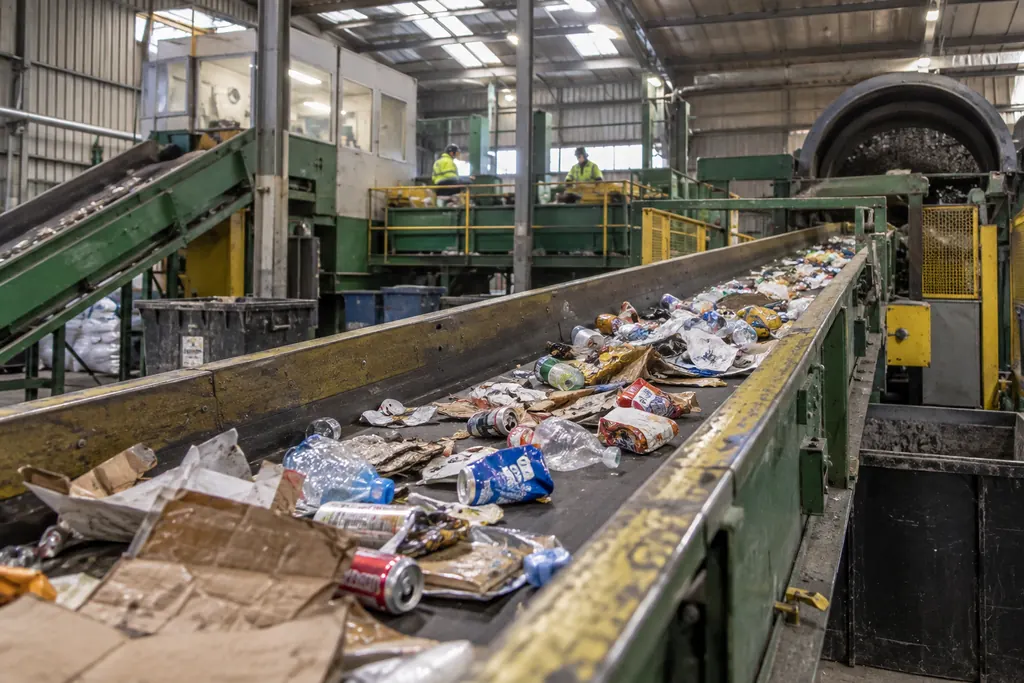
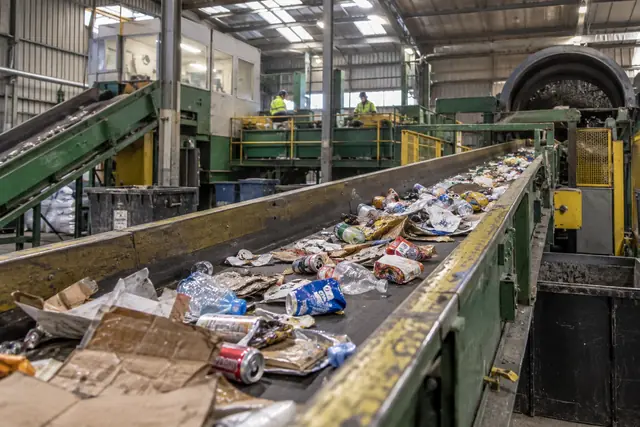
Mixed recyclables, cans, bottles and cardboard, on a sorting line conveyor in a materials recovery facility
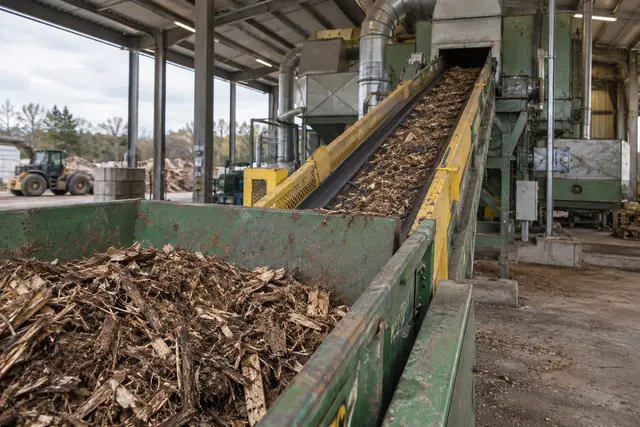
Municipal residuals

Industrial waste engineering · Vancouver · Yalova

Engineering a way forward
for waste.

We turn the waste streams other operators won’t touch, contaminated, mixed, hazardous, or simply hard to sort, into market-ready value, using our own patented thermochemical technology and a validated, evidence-first process.

Assessment · Engineering · EPC

Engineering and delivery

  • Paid stream assessment and a written recommendation
  • A pilot on your material before capital is committed
  • A measured cost per tonne and a finance-ready business case
  • Turnkey EPC build, equipment supply or a technology licence
Recovered products · Off-take

Recovered products

  • Biochar and wood vinegar
  • Recovered carbon black
  • Engineered solid fuel, bio-crude and pyrolysis oil
  • Carbon credits
Discuss off-take

Projects

Delivered. In numbers, not adjectives.

  • 3.0 MWeLandfill gas-to-energy site in Turkey, two 1.5 MWe engines, already generating power.
  • 45 TPDTire-to-value facility under a signed lump-sum turnkey EPC contract.
  • 2 × ~30 TPDIndustrial thermal drying programs in active engineering: sawdust in Canada, sewage sludge in Turkey.
  • 2 US patentsA granted patent on our modular reactor platform and a second on thermoplastic starch materials.

Creosote railway-tie conversion and federally backed university co-pyrolysis research are also under way.

See all projects

Materials and streams

Different materials.
The same discipline.

Municipalities, industry, forestry and agriculture bring us these streams. We have researched, piloted or delivered routes for each of them, across three continents, and the same evidence-gated method applies to the next one.

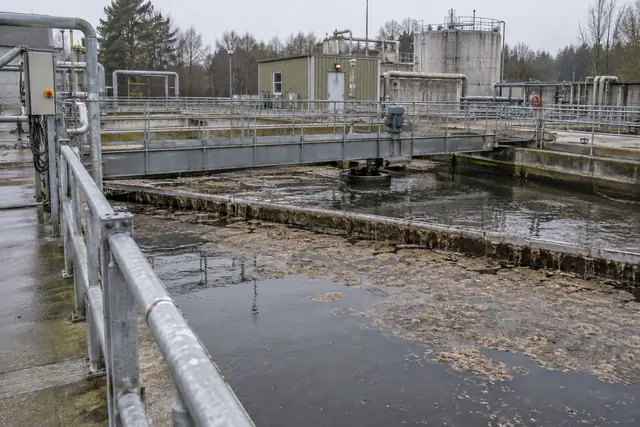
Wastewater treatment clarifier with floating sludge at an industrial treatment site

Wet organics and sludge

High-moisture streams where HTC, HTL and thermal drying earn their place.

  • Sewage sludge and biosolids
  • Food waste
  • Algae and aquatic biomass
  • Seashell and shellfish waste
  • Manure, digestate and process sludges
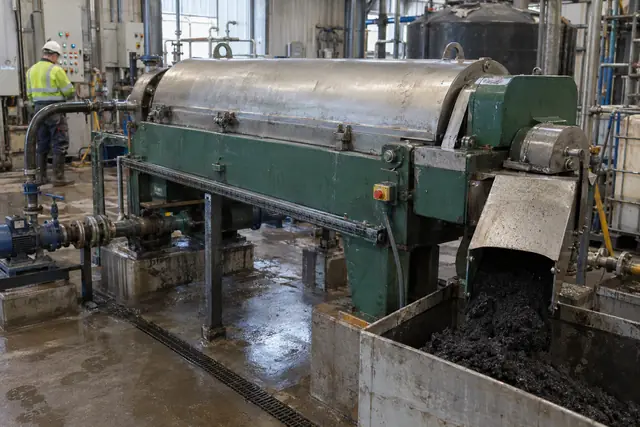
Decanter centrifuge discharging dewatered sludge cake into a collection bin

Oils, fluids and rubber

Uncontrolled fluids and rubber that most operators refuse.

  • Waste engine and industrial oil
  • Organic oils, fats and greases
  • Scrap tires
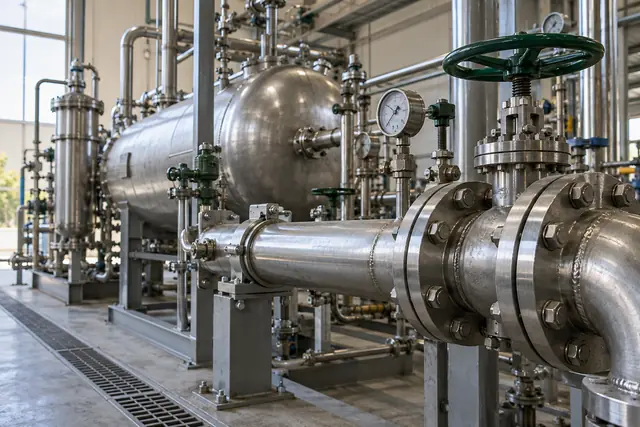
Stainless steel process vessel with flanged piping, valves and gauges in a thermal processing plant

Gas and energy recovery

Where the product is power, heat or a fuel.

  • Landfill gas
  • Waste to energy by gasification
  • Waste to solid fuels

Your material is not on this page yet? That is where the work starts.

Everything we solve, and what comes out

How we work

Evidence before
investment.

Four commercial gates after the first conversation. Clear deliverables and a decision at each one. Nothing scales past a gate without a customer choosing to fund the next one.

  1. 01

    Assess

    A clear, written recommendation.

    Material characterization, current costs, possible routes and the question worth testing.

    Your commitment
    A scoped paid study.
    You receive
    Proceed, test or stop, with reasons.
  2. 02

    Pilot

    Test the route on your material.

    Defined volumes through a partner facility, processing data, samples and a measured cost per tonne.

    Your commitment
    A scoped, co-funded pilot.
    You receive
    Technical and commercial evidence.
  3. 03

    Deploy

    Commit when the case holds.

    Capacity, site, permitting, responsibilities and schedule agreed before implementation.

    Your commitment
    A program contract or equipment capital, agreed at this gate.
    You receive
    A deployment plan matched to justified volume.
  4. 04

    Operate

    Make the route accountable.

    Track loads, outputs and destinations. Monitor the agreed performance and reporting requirements.

    Your commitment
    Program fees when we operate it, with output terms agreed in contract.
    You receive
    Traceable records and ongoing oversight.

Delivery can be an EPC turnkey build, equipment supply, a licence of our platform, or a program we run with you.

How we work, step by step

Your starting point

What brings
you here?

A material problem. A promising technology.
A decision that needs evidence.
We start where you are.

I have a waste stream.

For industry, municipalities and organizations with material that has nowhere to go.

The next step

A stream assessment and a proposed recovery route.

I have a technology.

For researchers and developers ready to connect a process with a real material problem.

The next step

A scoped research or pilot collaboration.

I need a decision.

For boards and procurement teams comparing routes, equipment or vendors.

The next step

Options, costs, risks and a defensible recommendation.

Studies and pilots are paid, with scope and terms agreed before work begins.

Technology & IP

Our core technology
is our own.

The reactor at the centre of our pyrolysis work, a dual-fuel, self-sustaining, modular platform, was engineered in-house and is protected by a granted US patent. We are the developer of our process, not an integrator of someone else’s.

Pyrolysis on our modular reactor platformHydrothermal carbonization (HTC) and liquefaction (HTL)Gasification for waste-to-energyTorrefaction and densification for solid fuelsIndustrial thermal drying
Explore the technology & IP

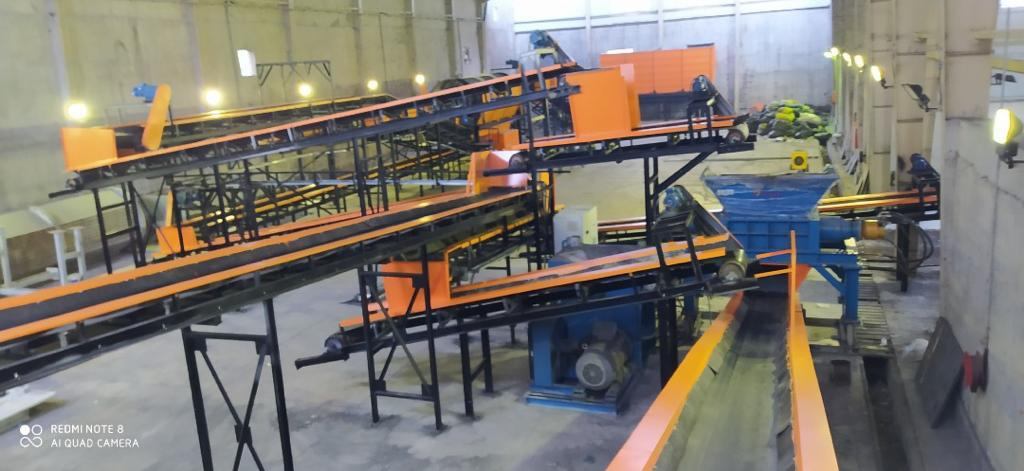
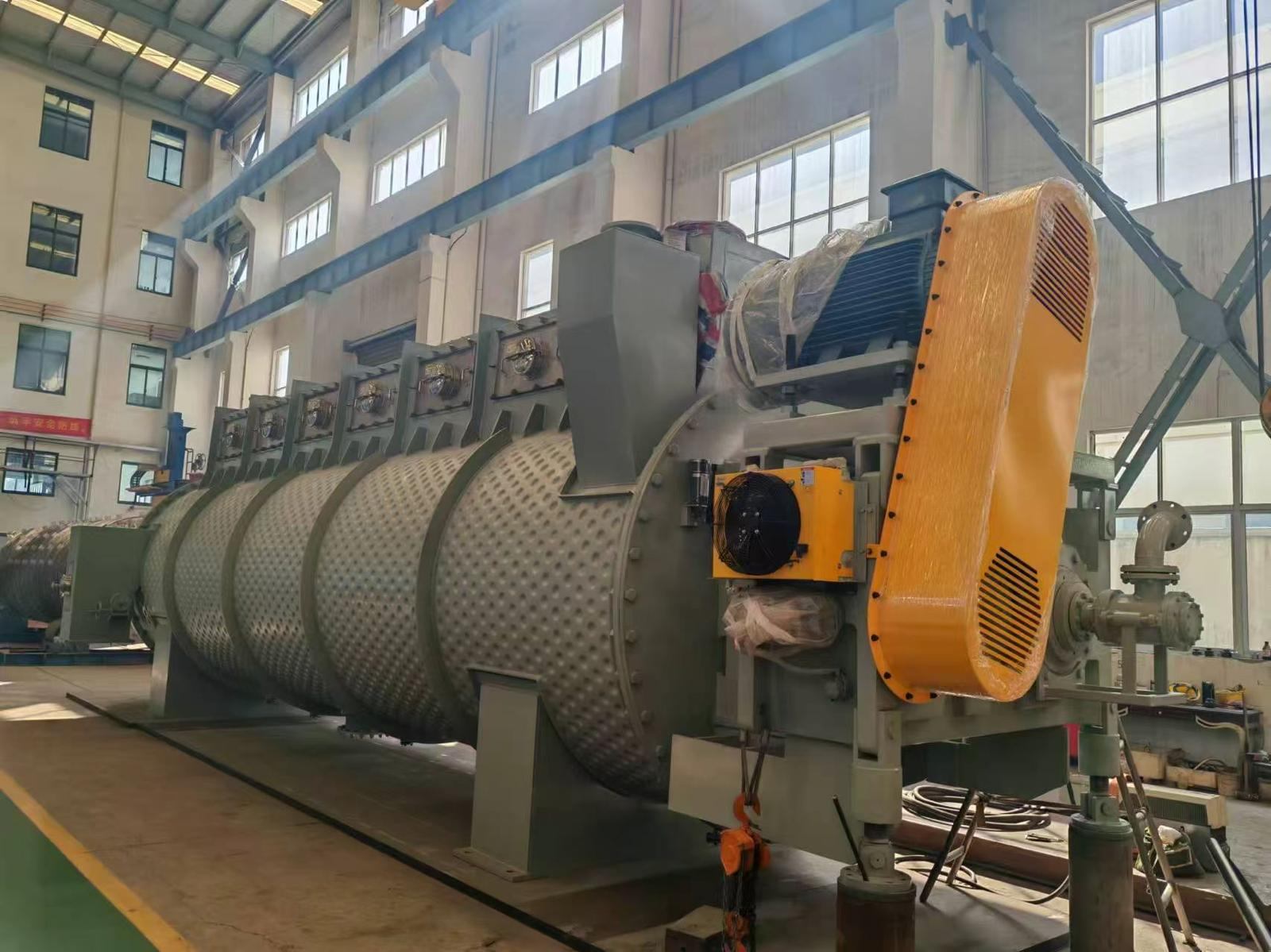
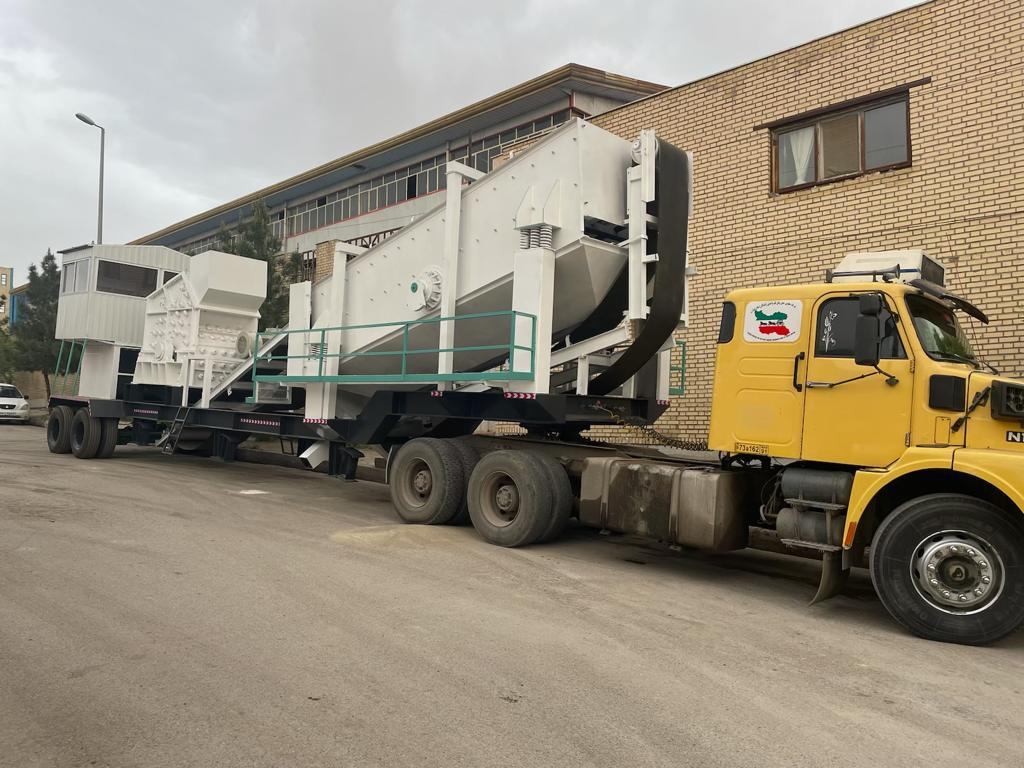
Photographs show partner equipment.
Our own commissioned site runs in Turkey. No capital is deployed without pilot-scale evidence.

Orange conveyors on a sorting line at a partner facility
Sorting linePartner facility
Processing unit being fabricated in a partner workshop
Unit fabrication
Mobile processing plant mounted on a truck
Mobile partner unit
KnowledgeResearch & laboratoriesIndustryMaterials & real constraintsMarketsSpecifications & demand
PyrolTech+Connecting the work

The Hub · Applied research

Three parties.
One missing middle.

Labs know what might be possible. Industry holds the material. Markets define what is useful. We do the engineering that brings them together.

Define a real questionMatch the expertiseProve it in a pilot

Active research partnerships with Canadian university research centres on co-pyrolysis and waste-to-value conversion, supported in part by federal research funding. Scope, funding, data and intellectual property are agreed before work starts. Partners are named when they consent.

How collaboration works

The industrial waste-engineering arm of PyrolTech Inc.

Your waste costs you money.
We re-engineer it into a product with a buyer.

Recovered carbon, fuel, biochar, carbon credits, or avoided disposal cost. That is the return we build toward on every program, with an engineering team across Vancouver, Canada and Yalova, Turkey.

Advised by Malcolm Wilson, a lead author with the Intergovernmental Panel on Climate Change and former CEO of the Petroleum Technology Research Centre, with senior advisors in European waste-to-energy and AI process monitoring.

Meet the team and our partner network

Before the first call

Good questions.
Straight answers.

The practical things worth knowing before putting a stream on the table.

Start with a conversation

Put your stream
on the table.

You do not need a lab report. A description, a rough volume and a sense of what happens today are enough to begin.

What happens next

A scoped assessment, a request for more information, or a clear explanation of why we cannot help.

A first conversation scopes the work. Studies and pilots are paid only under agreed terms.

Prefer to talk first? Book a 30-minute intro call (opens in a new tab) at a time that suits you.

Your challengeYour details

What brings you here?

No payment or equipment commitment at this step.